COMPLETE
Egg, larva, pupa, adult
Butterflies, moths, bees, wasps, true flies and beetles go through four stages. The larva looks nothing like the adult it will become.
Check an insect doodlemorph
HOW INSECTS GROW UP
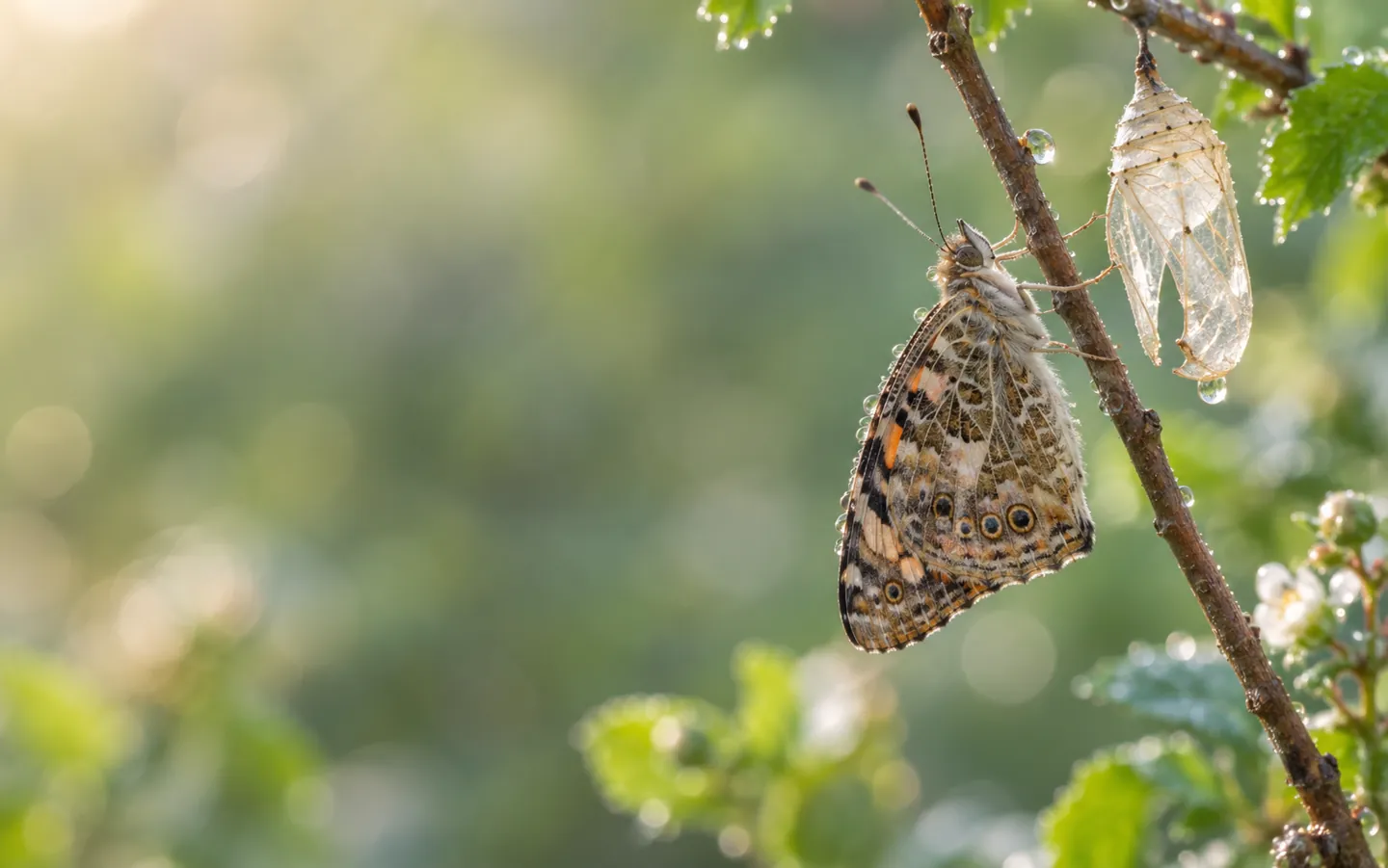
Metamorphosis simply means a change of form.
FOUR STAGES egg, larva, pupa, adult
50%+ Share of all animal species that are insects with complete metamorphosis
Insects grow up in one of two ways. Some hatch as small versions of the adult and grow in steps. Others spend their early life as a larva, then rebuild their bodies inside a pupa. That second, dramatic route is taken by more than half of all animal species.
THE SHORT ANSWER
Insects have a hard outer skeleton that cannot stretch.
So they all moult. Some also transform.
COMPLETE
Butterflies, moths, bees, wasps, true flies and beetles go through four stages. The larva looks nothing like the adult it will become.
Check an insectTHE PUPA
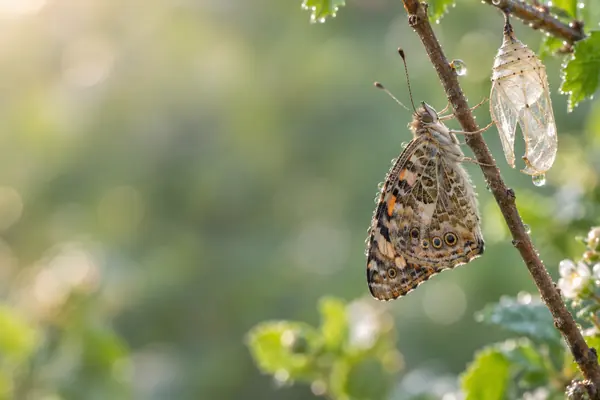
Inside the pupa, or chrysalis, the internal organs break down into a soup that feeds growth buds, which form the adult body.
Inside the pupaINCOMPLETE
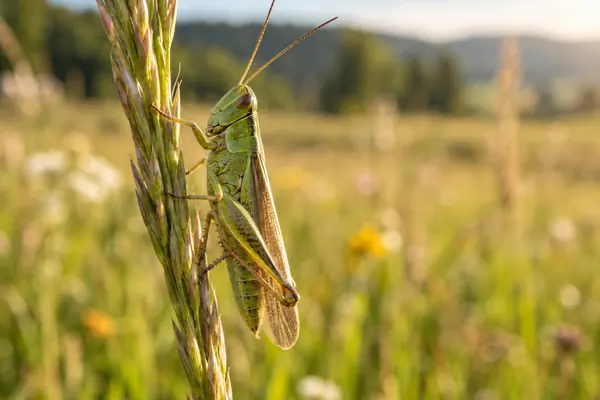
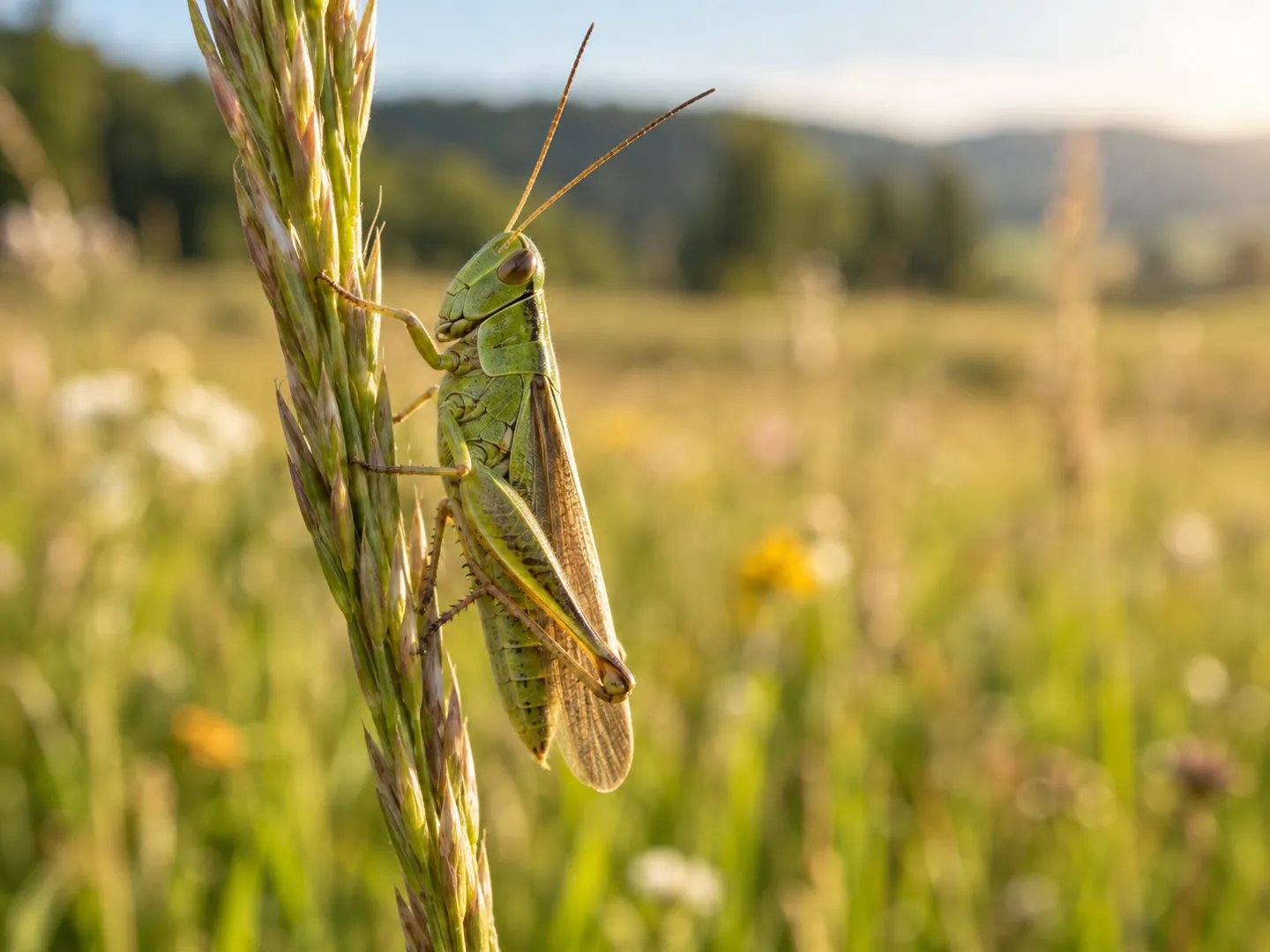
Dragonflies, grasshoppers, earwigs, cockroaches and true bugs have three stages. The nymph looks like a miniature adult that cannot yet breed.
See the numbersA QUICK INSECT CHECK
Pick an insect to see which way it grows up. The bar shows how big the change of form is between young and adult.
Based on the Amateur Entomologists' Society fact file on insect life cycles and Butterfly Conservation's guide to butterfly and moth life cycles.
FOUR THINGS TO LOOK FOR
The UK has around 60 species of butterfly and more than 2,500 species of moth, so there is plenty to watch. These are the signs of each stage.
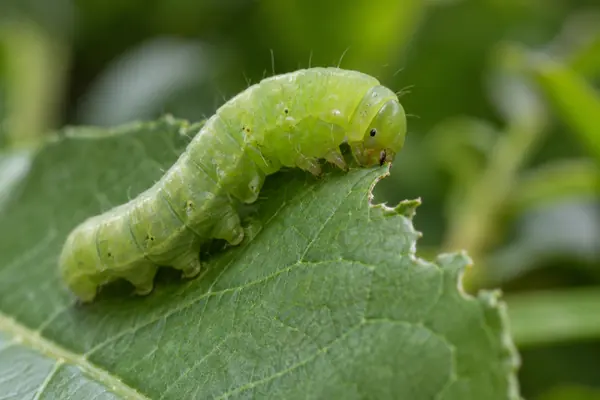
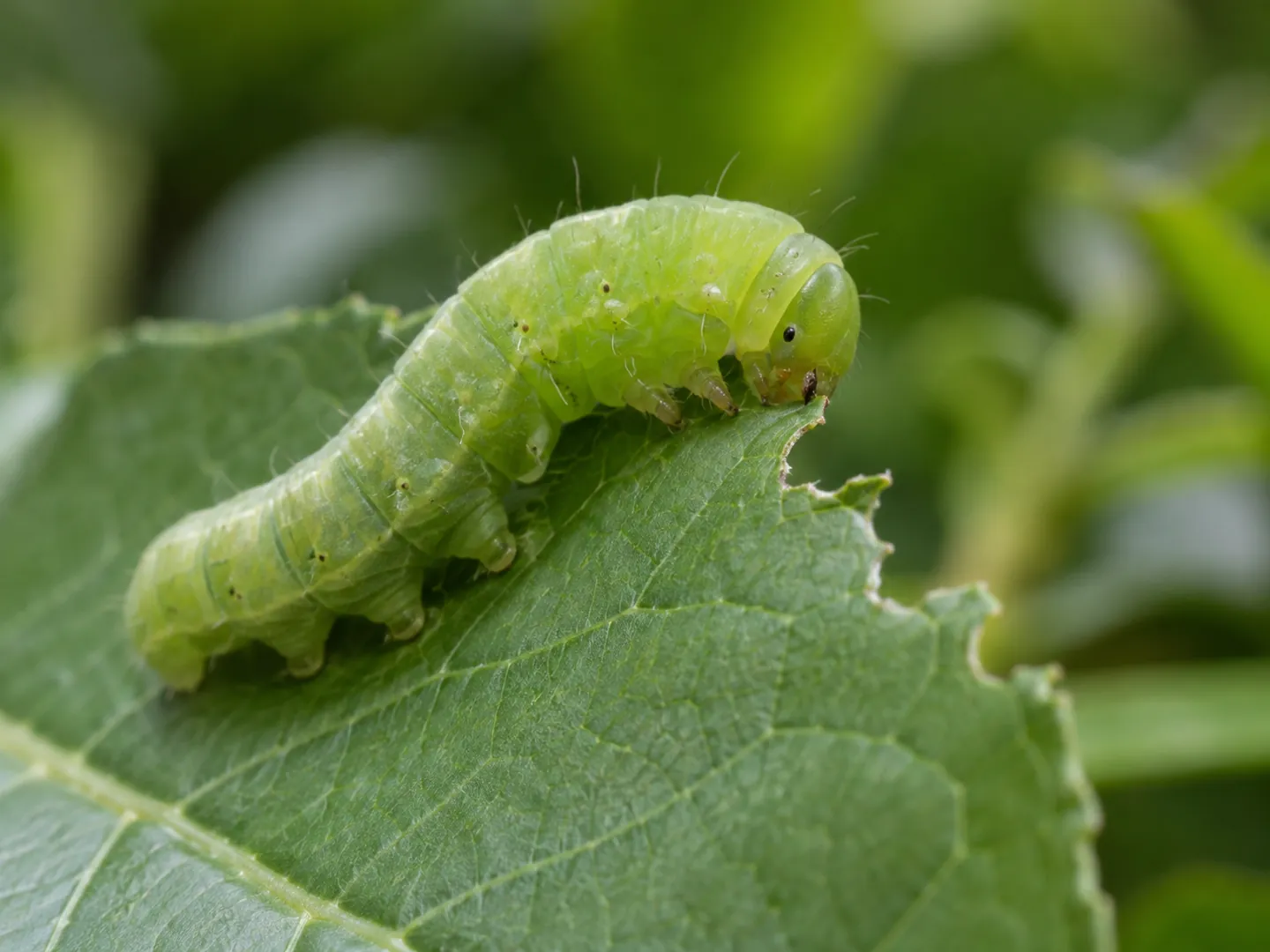
Caterpillars can grow to 27,000 times their original weight, so look for leaves with chewed edges and check underneath.
A caterpillar has three pairs of true legs plus extra prolegs that help it grip its food plant.
Insects moult to grow, because the exoskeleton cannot stretch. Each stage between moults is called an instar.
A pupa shows no sign of the activity inside, which is why it was once called the resting stage.
TWO NUMBERS WORTH KNOWING
One figure on how common complete metamorphosis is,
one on how much a caterpillar grows.
50%+
Share of all animal species that are insects with complete metamorphosis
A 2024 study in PNAS says more than half of all animal species are insects that undergo complete metamorphosis, and that they grow much faster than insects with incomplete metamorphosis.
SPECIES · PNAS 2024
27,000×
How much heavier a caterpillar can grow
Butterfly Conservation says caterpillars can grow to 27,000 times their original weight.
GROWTH · BUTTERFLY CONSERVATION
The Leibniz Institute for the Analysis of Biodiversity Change puts the insects with complete metamorphosis at more than 60% of described animal species.
INSIDE THE PUPA
From outside, a pupa looks still. Inside, the Amateur Entomologists' Society explains, it is a stage of internal reorganisation: the larva's internal organs break down into a soup, and that soup feeds special growth buds that form the adult body.
Insects with incomplete metamorphosis skip this. Their nymphs look like small adults, grow through a series of moults, and stop growing once they become adults. Because nymphs and adults often eat the same food, they can end up competing for it.
Questions
It means a change of form. In insects, it describes how the young change into adults, either in three stages (egg, nymph, adult) or four (egg, larva, pupa, adult).
A nymph resembles a miniature adult but cannot yet breed. A larva, such as a caterpillar, looks very different from the adult and must pass through a pupa to transform.
The pupa, or chrysalis, is a stage of internal reorganisation. The internal organs break down into a soup that feeds growth buds, which form the adult body.
Butterfly Conservation says the change from caterpillar to adult takes from a few days to many months, depending on the species.
Their hard exoskeleton cannot grow, so it must be shed and a new one formed. The body expands before the new skeleton hardens. Each stage between moults is called an instar.
Updated
ABOUT THIS NAME
doodlemorph.com is part of the DoodleSale portfolio. It isn't in an auction right now, but you can ask about leasing it.